
Services
Evaluation and Assessment
Curriculum and Program Design
Curriculum and Program Design

What I deliver:
- Personalized evaluation plan catered to your program needs
- Clear, credible evidence of program impact using mixed methods
- Collaboration and communication throughout the evaluation process
- Data-informed decision-making and program improvement
- Increased confidence and alignment with funder expectations
- Compelling data stories and visuals to support reporting and fundraising
Outcomes you can expect:
- Greater clarity on what’s working, what’s not, and where to focus next
- Stronger strategic decisions backed by credible evidence
- Increased success in securing and renewing funding
- Improved program quality, effectiveness, and participant outcomes
- Greater alignment across teams around goals, impact, and direction
Curriculum and Program Design
Curriculum and Program Design
Curriculum and Program Design
What I deliver:
- Project-based, real-world curriculum design
- Standards-aligned (NGSS, Common Core, SEL, STEAM)
- Hands-on, multimodal lessons and activities
- Community-based and equity-centered programs
- Media, storytelling, and creative learning integration
- Co-design with educators and partners
- Capstone projects and public showcases
- Data-informed program refinement
Outcomes you can expect:
- Increased participant engagement and retention
- Stronger critical thinking, collaboration, and problem-solving skills
- Clear alignment with educational standards and funder priorities
- Programs that are replicable, scalable, and grant-ready
- Compelling artifacts and stories to support impact reporting and fundraising

Tell a Compelling Story of Program Impact
I am here to help you achieve your program goals! Contact Me!
About Me
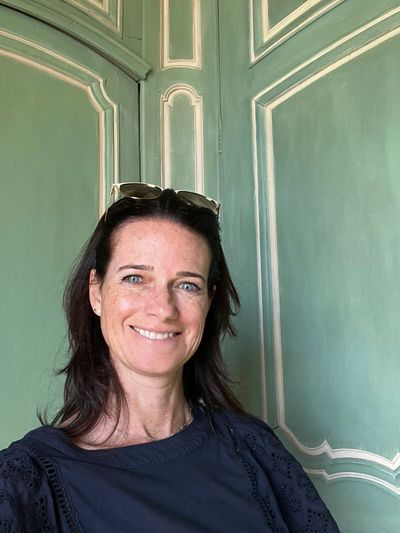
I have spent the past 18 years at the intersection of education, community, and equity designing youth programs, conducting evaluations, and teaching students from 3rd grade through college. I am a community-based researcher, program evaluator, and educator whose work has focused on creating and assessing learning experiences for and with marginalized youth. I hold a PhD in Communication from UC San Diego, where I have also taught as a Continuing Lecturer since 2014. I have evaluated dozens of youth programs that served 1500+ students in grades 3–12 from Title 1, public, charter, and private schools.
My roots in this work go back to 2007, when I began graduate research at UC San Diego studying how community programs shape educational experiences and social opportunities of young people. That work took me into Southeastern San Diego, where I began building relationships that have now lasted nearly two decades. Through collaborations with community organizations including Project Safe Way, People's Produce Project, and eventually Democracy Lab at the Town and Country Learning Center (TCLC), I learned what it means to be a genuine community partner: showing up consistently, earning trust slowly, and co-creating work that has meaning for all the people involved.
That early research shaped everything about how I work today. When I evaluate a program, I don't just analyze surveys -- I observe, I listen. I co-design tools that capture what's actually happening and write reports that tell a compelling story about program impact.
Teaching and Mentorship

Teaching
I have taught more than 1,000 college students at UCSD across 20+ courses — from large lecture courses focusing on language and communication to small, intensive community-based practicums that emphasize informal learning, where students work alongside youth in Southeastern San Diego.
My signature course, COMM 102C: Practicum in New Media and Community Life, places undergraduate students as co-researchers at TCLC. In this course, they design activities, facilitate media co-production projects with K-12 youth, write field notes, and develop methodological skills essential for practicing researchers — all within a real community context. This course, which I have taught for over a decade, also plays a critical role in the evaluation of our youth program and has maintained the underlying community partnership since 2007, contributing valuable insights for our grant report.
Mentorship
I have supervised over 60 undergraduate research interns through the UCSD Center on Global Justice, guiding interdisciplinary teams in an 8-week summer field program focused on environmental education, health, and social equity. These informal learning experiences are described by students as transformative, leading many to pursue further education or careers in public health, environmental science, and education. This initiative also serves as an important component of our grant report, highlighting the evaluation of our youth program's impact.